


 Do you happen to know what the difference is between "recto" and "verso"? How is a "folio" different to a "page"? What exactly is a "codex" and how does it relate to a printed book?
Yes, you guessed it - I'm on about manuscripts this time. Here are a few links to glossaries on the Web and in print that I've found useful in my own editing and translation work about codicology:
- A short glossary by the University of Nottingham: glossary on medieval books
- Glossary of English terms concerned with medieval art and architecture (listed in sections from A to Z).
- Harvard's METRO glossary (on Middle English texts such as Chaucer's works).
- The Hill Museum and Manuscript Library in Collegeville, MN has an online lexicon of terms used in manuscript studies.
- Another useful list of English terms is on Folgerpedia.
- Heidelberg University's website contains an illustrated section on the medieval manuscripts found in the Bibliotheca Palatina, which goes back to the 14th century. This medieval library is known as "the mother of all libraries" apparently. There's also a detailed glossary of German terms used to describe medieval manuscripts.
- Glossary of Lao manuscript terms (in English and Lao). These explanations relate to the Digital Library of Lao Manuscripts ("DLLM"), which is a project to save the contents of manuscripts from Laos by digitising the material. Over 12,000 manuscripts have been saved this way to date, making them easily accessible to researchers.
I'll be adding more links as time goes on. Please let me know of any helpful ones you are familiar with so I can take a look at them and possibly share them here.
One printed work in German that is related and deserves a mention here is "Buchmalerei. Terminologie in der Kunstgeschichte" by Christine Jakobi-Mirwald, particularly Chap. 12, which is a 27-page mini-dictionary of German terms in English, French and Italian.
Another notable dictionary that is in English is Peter Beal's "A Dictionary of English Manuscript Terminology, 1450-2000", published by OUP. This printed work is pricey, but there's a Kindle version of it (an e-book) that's good value and handy when working on a computer or tablet. Beal's dictionary is a comprehensive one with clear definitions for all the entries.
Hope you find these pointers helpful. (Please bear in mind that web pages often get changed over time, so the links to these resources may not always work. They did when I last updated this page in October 2026.)
Regards
Carl
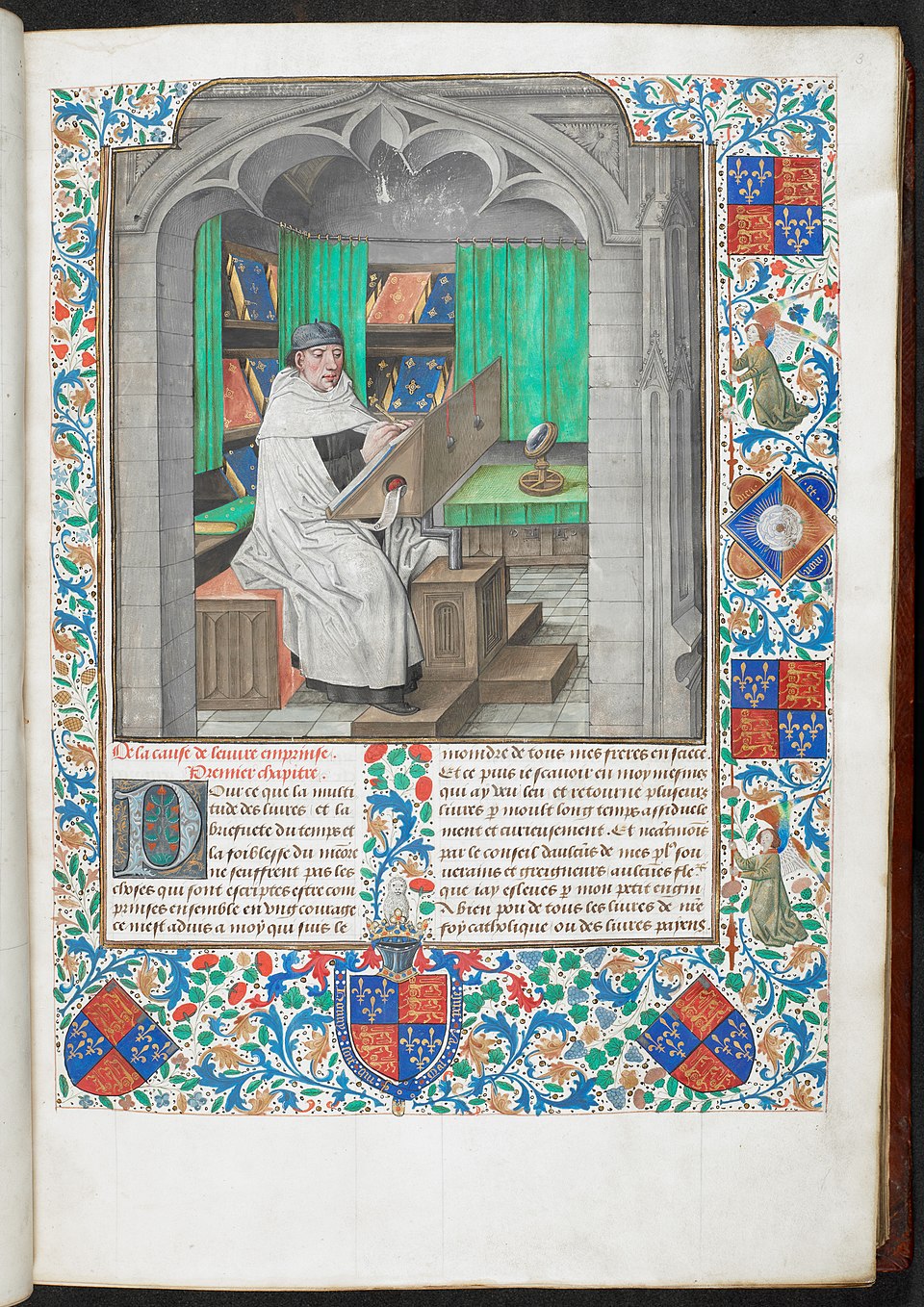
Note: the image above shows a page of a 15th-century manuscript depicting Vincent of Beauvais, the author, working on it.
(Wikipedia Commons, public domain)


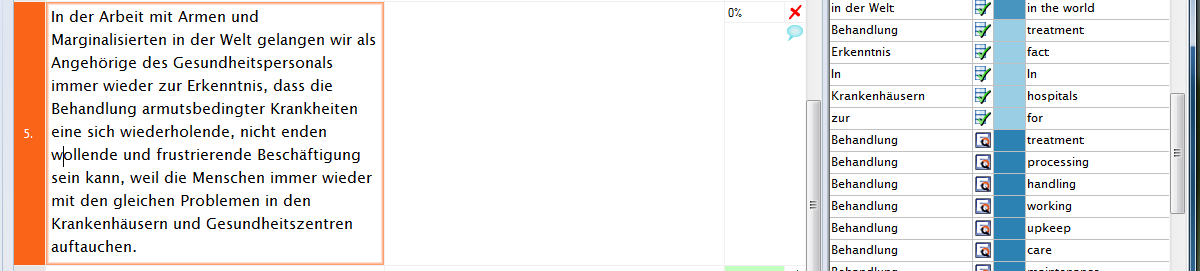
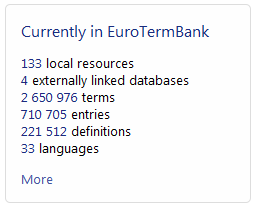
 As you may have gathered by now, I use a translation tool called memoQ to help me with most of my translation work. MemoQ comes with an interesting dictionary plug-in linking it to a huge external terminology database called the EuroTermBank, and if it is activated (which it is by default in version 6.0 and 6.2), then memoQ constantly looks up expressions that appear in my source texts in the database and "suggests" any English translations of them to me that it finds there.
 symbol next to them in the results list, as you can see from this screen shot showing a German source text and matching term-base results (the empty space in the middle is for the translation that is about to be done):

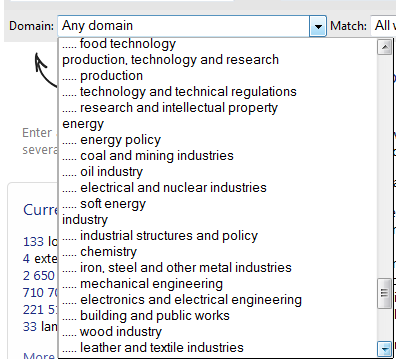 The subject areas that are covered are displayed in the "domain" field, which is shown on the left when you do an advanced search (click on "Show advanced options" next to the orange search button). If you click on the little arrow there, a drop-down list will appear. Here you can see that the ETB covers a wide range of areas: politics, international relations, European Community law, trade, social issues, education, employment, energy, transport and more... Amazing!




Comments